Institution
10 Reasons I Chose Canon: Even When the Internet Thinks It’s “Not Cool” Anymore
Let's begin with the usual disclaimer:
I am not affiliated with Canon in any way. No sponsorships. No ambassador contract. No free gear raining from heaven. This is simply the perspective of a working photographer who has spent years using multiple systems professionally across documentary, editorial, portrait, and street photography.
And after all that?
I still choose Canon.
Not because it's the most fashionable brand in 2026. Quite the opposite.
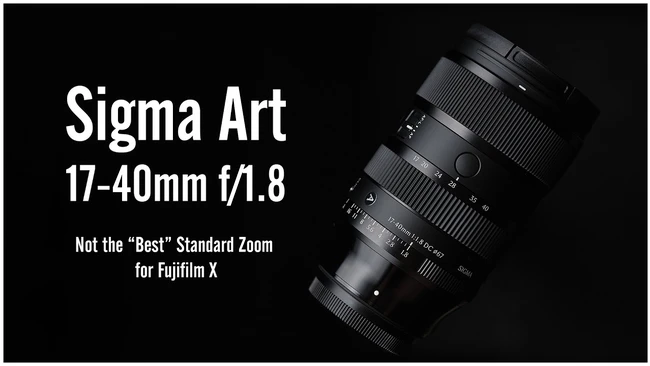
The Sigma 17-40mm f/1.8 vs. Fujifilm's Best Primes: Closer Than You'd Think
How Your Focal Length Data Might Be Telling You to Buy a Different Lens
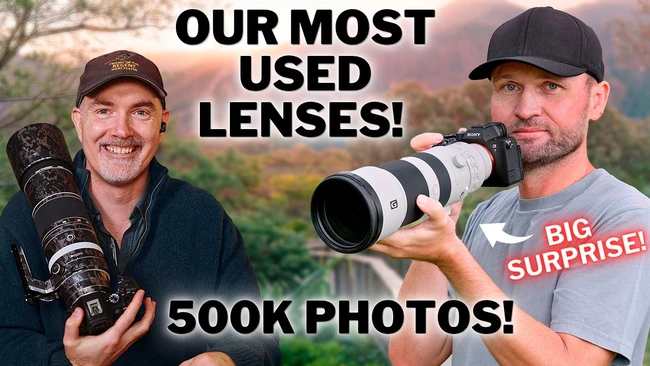
If you shoot wildlife and you've never looked at which focal lengths you actually use most, you're probably making lens decisions based on guesswork. Jan Wegener and Duade Paton did exactly that analysis, and what they found challenges some of the most common assumptions about which lenses wildlife shooters actually need.
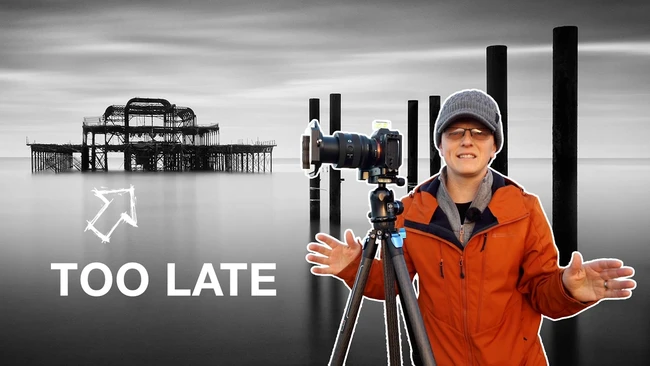
The Shot You're Waiting For May Already Be Gone
Shootingt a 50-Year-Old Minolta Lens on a Sony a7R V
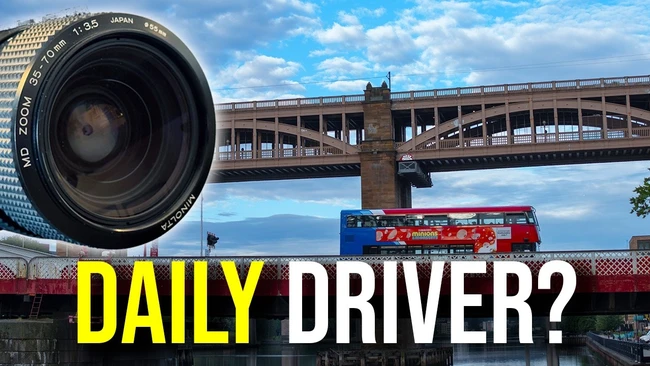
Vintage lenses have made a serious comeback, and the question of whether a 50-year-old glass can hold its own on a modern mirrorless body is one worth asking seriously. The Minolta MD 35-70mm costs around $60 used, and if it can genuinely work as a daily walk-around lens, that changes the math on what you actually need to spend on glass.
The Article That Became Three Books
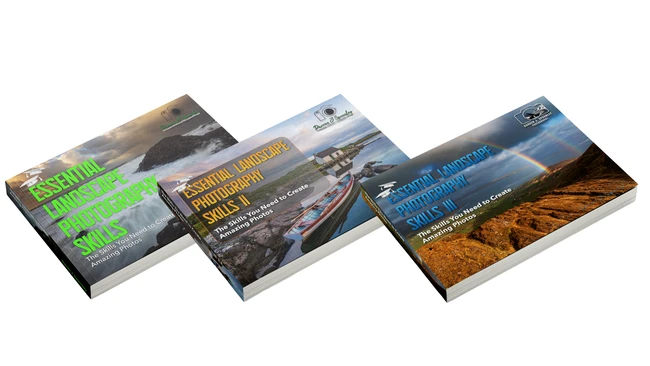
Back in September 2024, I sat down to write an article for Fstoppers called What I Wish I Knew Earlier. I had no idea it would eventually become a trilogy of books. At the time, it was simply an opportunity to reflect on some of the lessons landscape photography had taught me over the years. Not the technical lessons that can be found in camera manuals or specification sheets, but the things that only seem to reveal themselves after countless early mornings, long drives, missed opportunities, and disappointing photographs.
4 Reasons Why You Might Want to Learn 3D Printing as a Photographer
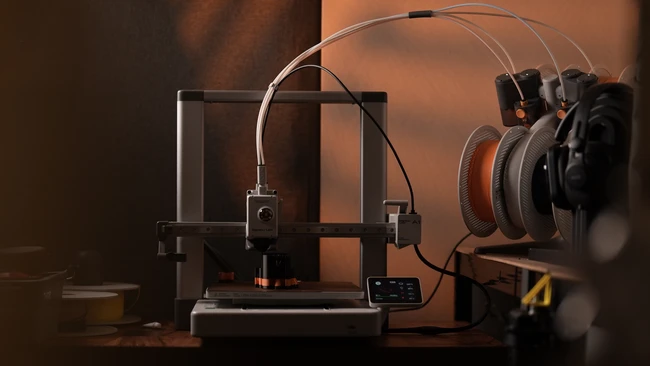
Have you ever wished for a photography accessory or tool and dreamed of making it yourself? If you're the kind of photographer who likes finding neat solutions, 3D printing might be worth checking out.
Photographers are often passionate about printing their images and hanging them on a wall. This endeavor often puts emphasis on the output. However, 3D printing, and the world of possibilities that it opens, can actually impact the process of creating. Here are some of the reasons why this might be the perfect side quest for a photographer to take on.
What Is Bokeh, and What Actually Makes It 'Good' or 'Bad'?
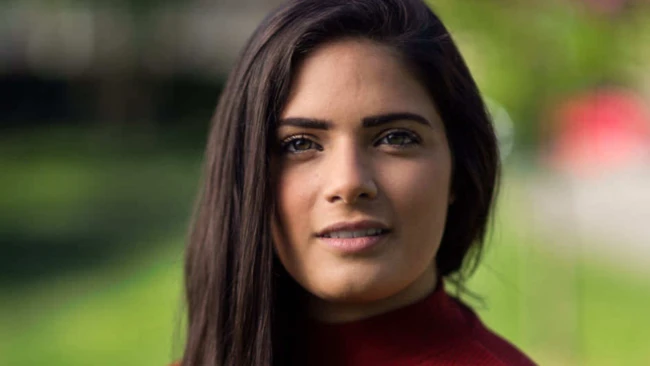
Bokeh is one of those words you hear constantly in photography and almost never hear defined. People use it to mean "blurry background," they use it to mean "expensive lens," and they use it as a compliment without being able to say what they are complimenting. So let us clear it up, because once you understand what bokeh actually is, you can stop chasing it blindly and start using it on purpose.
This Lightroom Technique Turns a Flat Long Exposure Into a Warm, Airy Shot
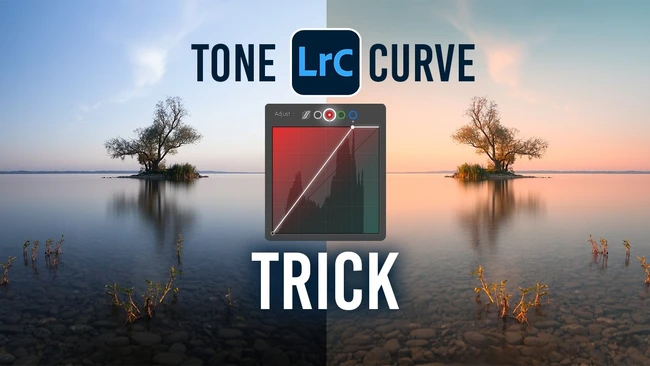
Stacking a polarizing filter with an ND filter on a wide angle lens creates serious vignetting issues, and that's exactly where this long exposure edit begins. Knowing how to work through that kind of technical constraint while still landing on a warm, airy, high-key result is a skill worth building.
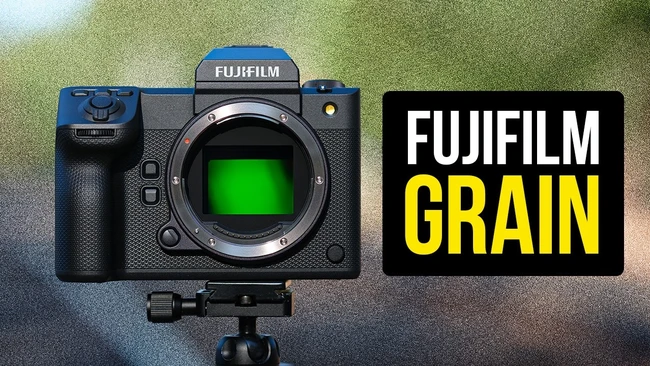
Fujifilm's Grain Effect Is More Useful Than You Think: Here's How to Actually Use It
Can Medium Format Become Mainstream?
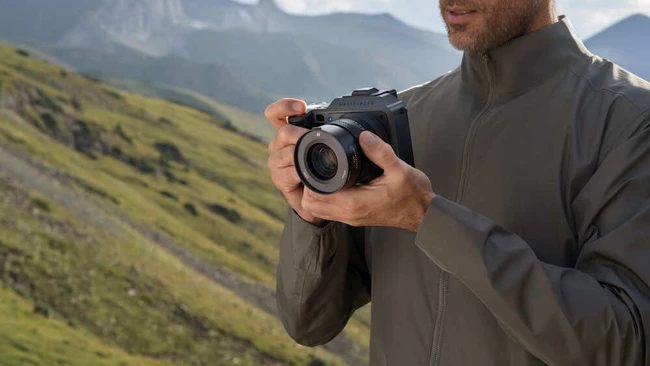
For most of digital photography's history, medium format meant one thing: a five-figure investment, a deliberate studio pace, and a tool reserved for commercial shooters whose clients paid for the absolute ceiling of image quality. The format was the opposite of mainstream by definition. It was the thing you rented for the shoot, not the thing you owned and carried.
Make Mine Black and White: Learning to Convert to Digital When All My World Was Film
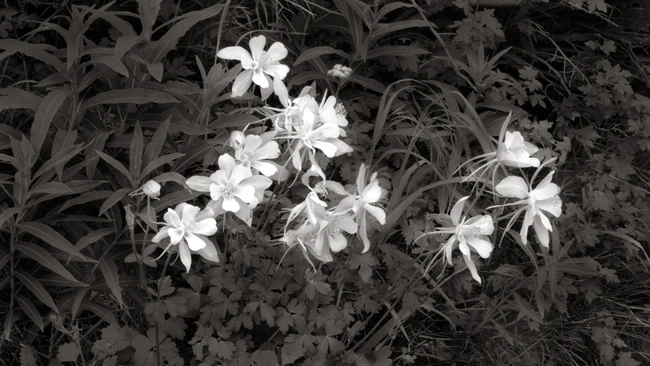
I am, by training and inclination, a black and white photographer. My very first exposure to black and white photography, as an artful medium, was a photograph that I saw when I was in art school many years ago that was entitled "Monolith, the Face of Half Dome." At that time I was studying to become a Board Illustrator, which would have been a bored illustrator. The moment I saw that one photograph became a transformative one for me.
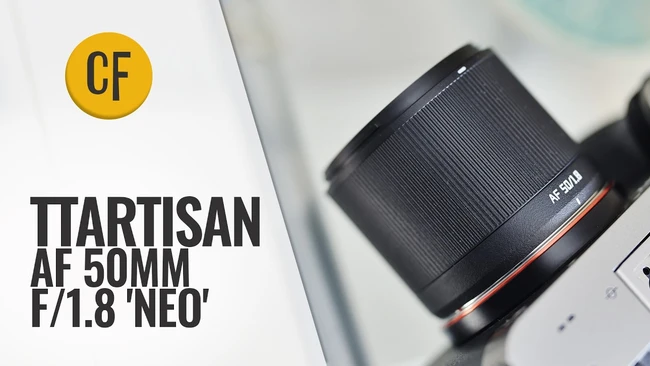
TTArtisan AF 50mm f/1.8 Neo Review: Is $89 Enough for a Full Frame 50mm?
Viltrox 35mm f/1.8 Evo Review: Is This the Best Budget Prime for Nikon Z and Sony?
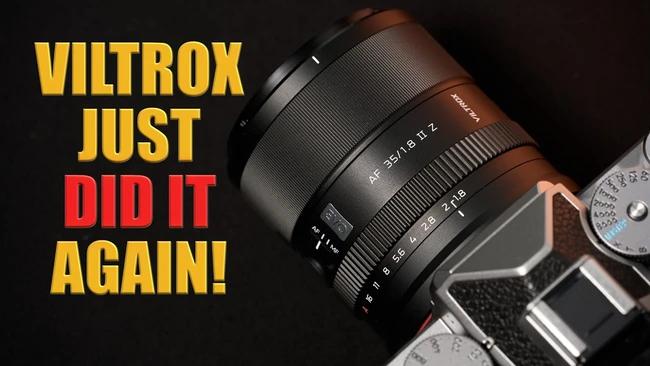
Finding a fast prime with an apochromatic design under $400 is almost unheard of, and that's exactly what the Viltrox 35mm f/1.8 Evo claims to be. Apochromatic lenses correct chromatic aberration by aligning all three color wavelengths to the same focal plane, a feature you typically only find in lenses costing several times more.
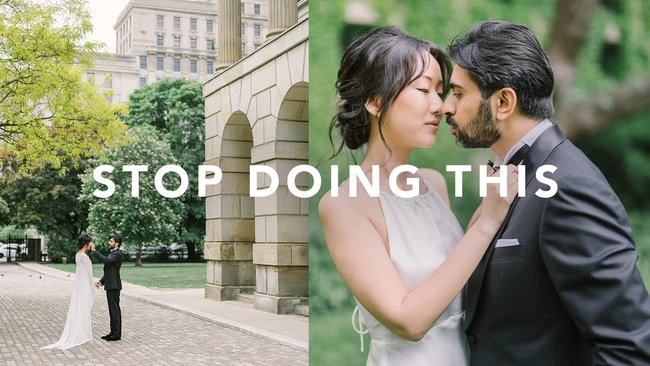
The Real Reason Your Couples Look Awkward in Photos (And How to Fix It)
The Gear a Beginner Needs to Shoot Landscapes (and What to Skip)
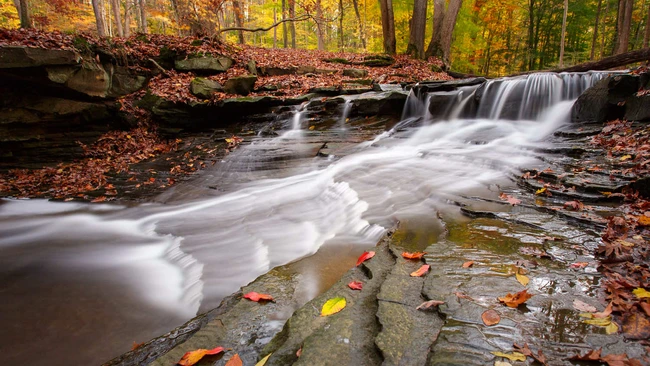
Landscape photography has a reputation as a gear-hungry genre, and it is easy to believe you need a closet full of equipment before you can shoot a decent mountain. You do not. The genre actually rewards a small, deliberate kit more than almost any other, because you are usually on a tripod, working slowly, with time to think. This guide walks through the categories that matter, points you toward solid current options in each, and is honest about what you can skip.
How to Build a Photography Research Practice Beyond Pinterest
As photographers, we're inundated with images all day — ads, social media, billboards. Which ones actually inform our work, and where should we be looking?
As a photographer who has worked on brand campaigns, it's sad to see mood boards composed of the same images. I'll receive inspiration images from a client and recognize they came from the same Pinterest board — pulled after someone typed "Running" into the search bar.
What's the point?
Lightroom Classic 15.4 Adds a Duplicate Finder and Smarter Group Culling
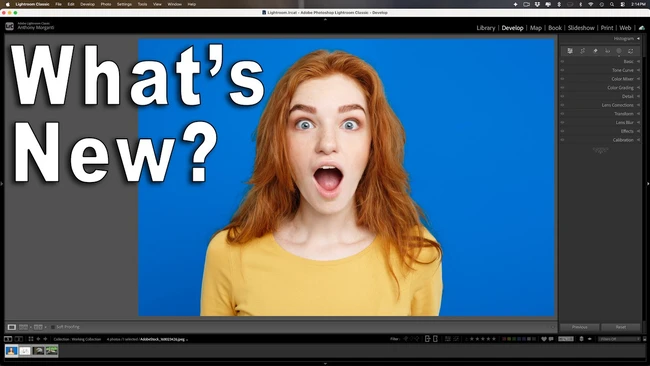
Lightroom Classic 15.4 shipped with a duplicate finder, improved AI masking, and smarter culling tools, and at least a few of these updates will change how you manage and edit images day to day. If your library has grown to tens of thousands of files, one of these features alone is worth knowing about.
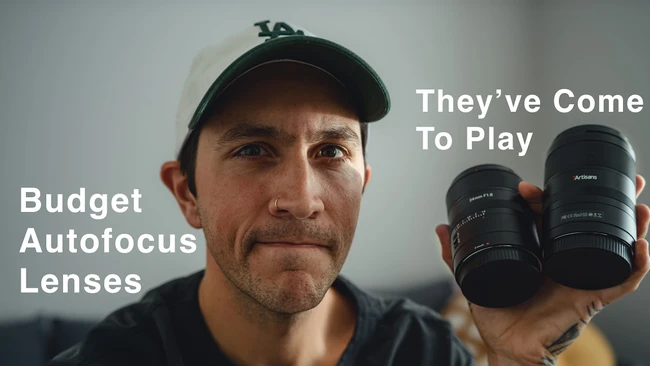
The 7Artisans 24mm and 50mm f/1.8 Autofocus Lenses Are Surprisingly Hard to Dismiss
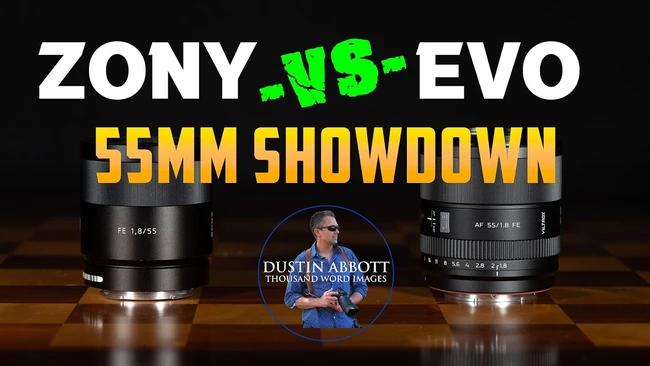
Sony's Most Beloved 55mm Gets a Serious Challenge From Viltrox
Why Most Landscape Photographers Are Ignoring Half Their Best Shots
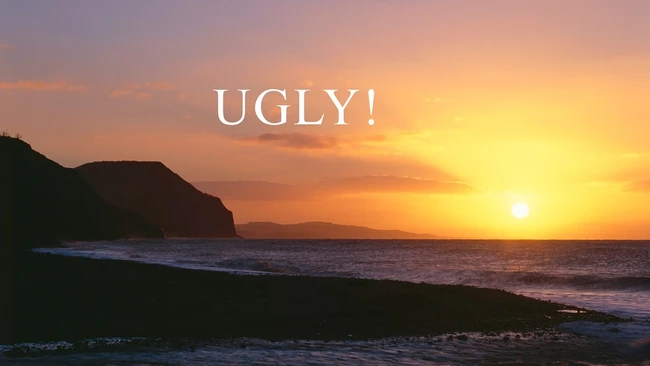
Landscape photography has a bias problem. The vast majority of images flooding social media and print focus on sunsets, northern lights, and those much-visited "honeypot" locations where tripod holes wear into the ground from overuse, while whole categories of equally compelling scenes get ignored entirely.
Portrait Photography for Beginners: Settings, Lenses, and Posing Basics
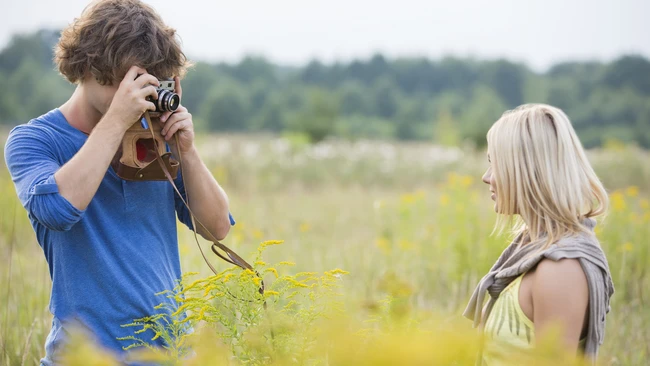
The fastest way to make better portraits is not to buy a flash, a softbox, and three light stands. It is to learn to see and shape the light you already have. Natural light is free, it is forgiving once you understand it, and it teaches you the fundamentals that every lighting setup later builds on. This guide covers the gear, the camera settings, and the posing and light-shaping basics that get a beginner from snapshots to real portraits, all without a single strobe.
Leica Was Never Really About Cameras
Hasselblad Files Now Open Natively in Capture One
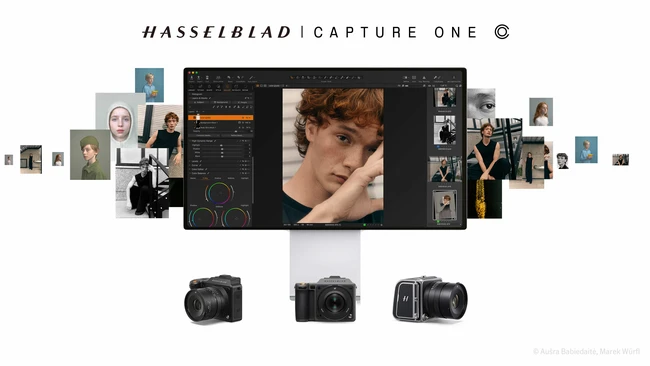
For years, the workflow gap between Hasselblad and Capture One was one of those quietly frustrating facts of professional life. If you shot medium format on a Hasselblad but preferred to edit in Capture One, you were stuck converting your raw files first, and every conversion chipped away at the color fidelity and editing latitude that were the whole point of shooting Hasselblad in the first place. That gap is now closed.