Institution
Adobe Is Buying One of the Last Good Things in Photo Editing

Adobe announced on June 25 that it has agreed to acquire Topaz Labs, the Dallas company whose denoising, sharpening, and upscaling tools quietly became part of how a huge number of photographers finish their work. Neither side put a number on the deal. Closing is targeted for the back half of 2026, assuming regulators sign off. Adobe says Topaz CEO Eric Yang will stay on, the standalone apps will keep running, and the underlying models will eventually flow into Firefly, Firefly Services, and Creative Cloud apps.
Viltrox Redesigned Its 35mm f/1.2 LAB (N) and We Can See Why It Makes Sense: A Close-Look Review
Why fix what isn't broken? Well, Viltrox seems to have a good subtle reason as to why it did with the 35mm f/1.2 LAB (N) that photographers might appreciate.
Last year, Viltrox launched one of its most unique lenses, and it was received with a lot of positive reactions. The Viltrox 35mm f/1.2 LAB is a straightforward large-aperture prime that came in a large and relatively bulky form. However, with that came the optics that became the standard of the Viltrox LAB series that could perform even in significantly low-light situations.
Apple's Cheapest MacBook Ever Is an Amazing Deal

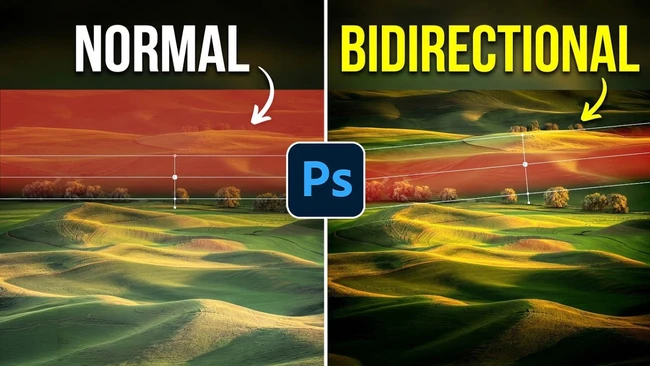
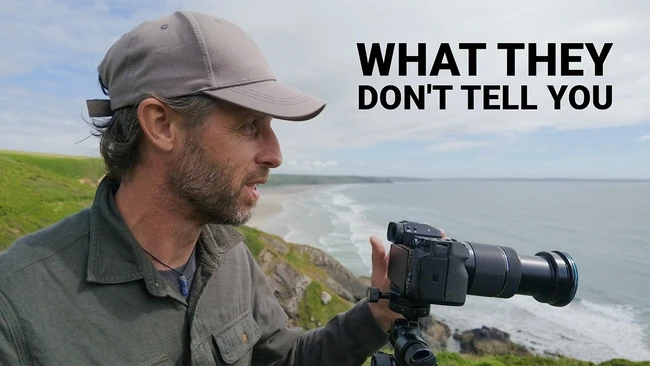
The Loneliness Nobody Warns You About in Landscape Photography
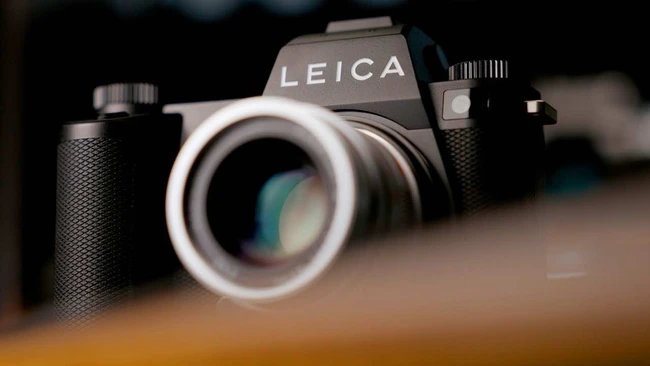
Leica SL3-P Review: 45 Megapixels, 8K Video, and a Real Autofocus Upgrade
Why a Decade-Old DSLR Keeps Winning Awards, and What That Should Teach You
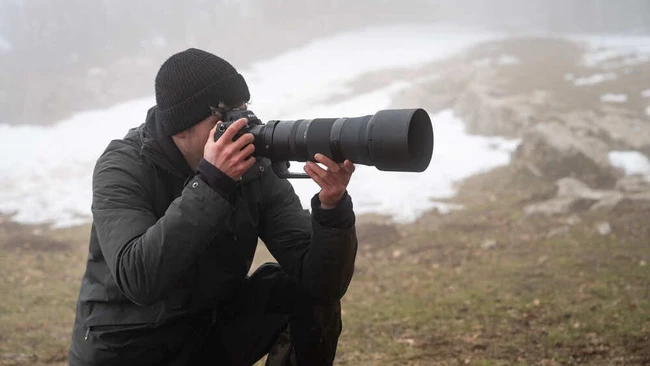
Earlier in 2026, a 15-year-old named Jack Crockford won his category at the British Wildlife Photography Awards 2026 with a frozen instant of a Eurasian hobby snatching prey out of the air, a shot that demands timing most photographers spend years failing to develop. He did it with an aging professional DSLR and a long telephoto lens, not one of the artificial-intelligence-driven mirrorless bodies that dominate every camera advertisement this year. On its own, that is a charming footnote. The problem is that it is not on its own.
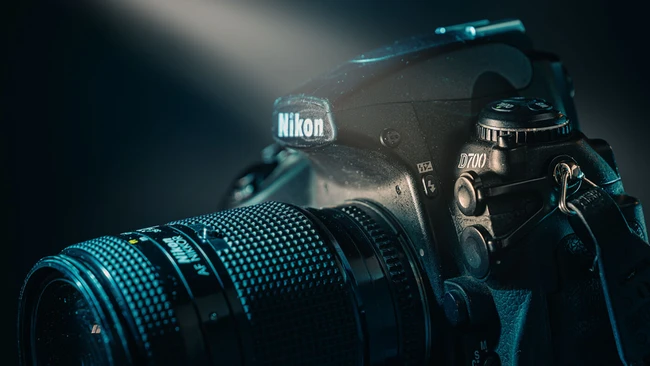
Leica Announces the SL3-P
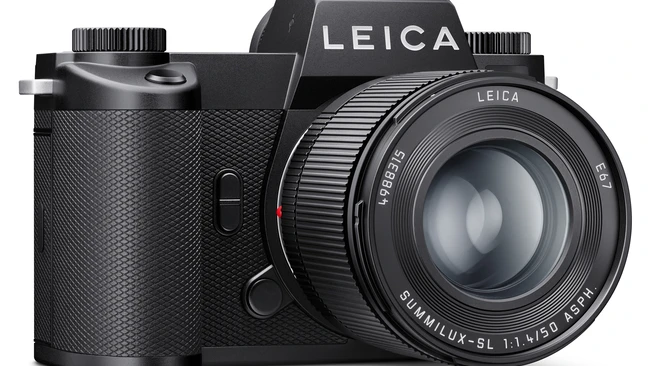
A new Leica camera always attracts attention. And while the M line is the brand's most famous line, there are many devotees of the SL system, which is a more contemporary system akin to cameras offered by Nikon, Canon, and Sony. Today, Leica announced the newest iteration, the SL3-P, a 44-megapixel camera designed for both speed and performance.
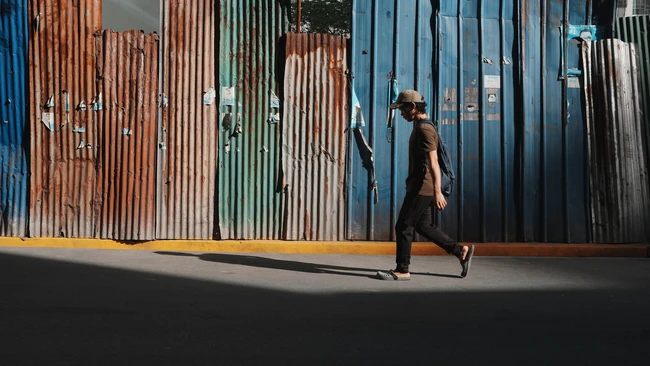
When the Street Becomes Too Open
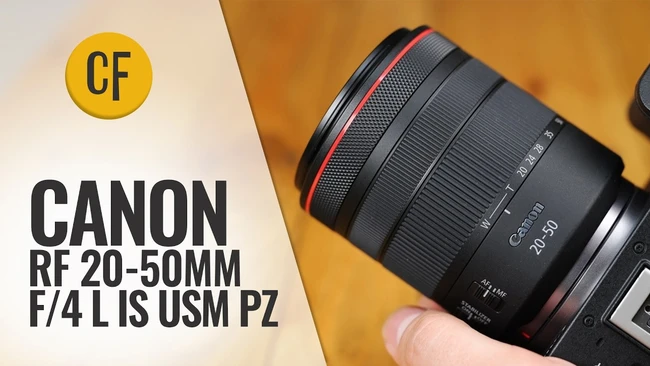
Canon RF 20-50mm f/4L IS USM PZ Tested on Full Frame and APS-C

Harlowe Introduces a Stunning New Travel Tripod, and It’s Really Light!
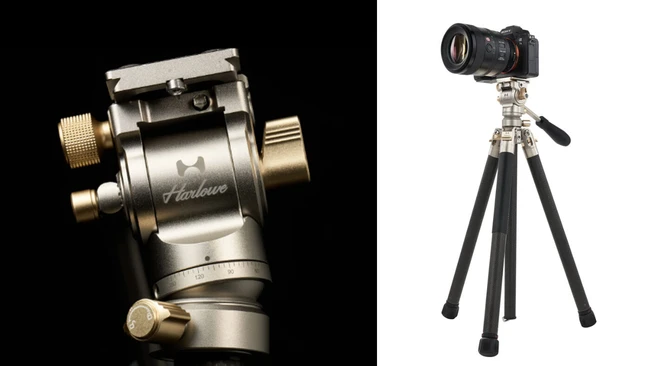
Harlowe has just launched the Rocket Air, a brand-new tripod that is bundled with a fluid head, providing a wonderfully light solution for hybrid shooters. The fluid head has a leveling adjustment, so for me, this makes it the perfect travel tripod for photography. If I want to shoot some video too, the fluid head has very good dampening to absorb external vibrations and resist rapid, jerky movements.
We Review Thypoch’s Ksana 21mm F/3.5 Asph: A Modern Interpretation of a Vintage Coating
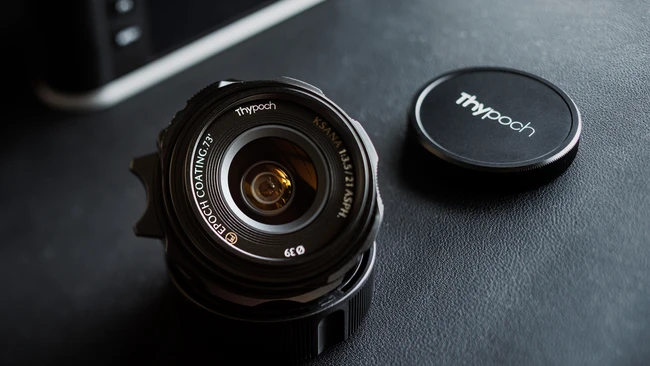
Thypoch has been slowly making a name for itself in the industry and is no stranger today to creating modern manual lenses that pay homage to classic lenses—starting with the Simera, Eureka, and now the Ksana. The 21mm f/3.5 Asph is Thypoch's first entry in the new "Ksana" series, designed to be an ultra-light and compact everyday lens with vintage rendering. If you must know, the name Ksana comes from the Sanskrit word Kṣaṇa (क्षण /ˈksɑːnə/), representing the eastern concept of the "instant" or the duration of a sudden enlightenment.
Dogma 11 in Photography: A Set of Rules or a Necessary Constraint?

In photography, there's always a tension between control and immediacy. On one side, you have post-production, refinement, and the ability to shape an image long after it's been captured. On the other, there's the raw act of photographing in real time, where decisions are irreversible.
"Dogma 11" sits firmly in the second camp.
The Rise and Fall of GoPro: How the Company That Defined the Action Camera Ran Out of Road
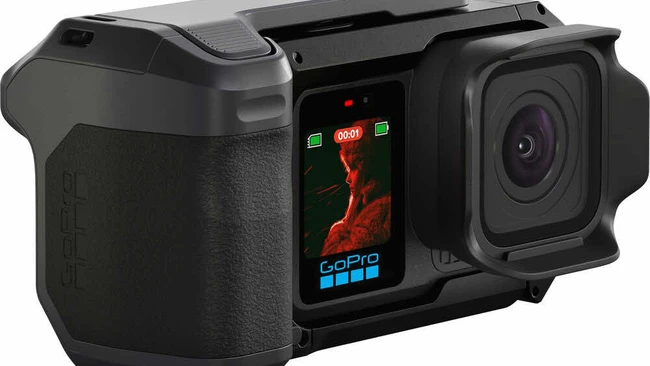
On June 1, 2026, GoPro filed a document with the Securities and Exchange Commission that no company ever wants to file. Its auditor, PricewaterhouseCoopers, had attached a going-concern warning to GoPro's 2025 accounts, the formal accounting language for substantial doubt that a business can survive the next twelve months.
Raw vs. JPEG at the Grand Canyon: What Four Cameras Actually Showed
5 Sony APS-C Lenses Worth Shooting With Right Now
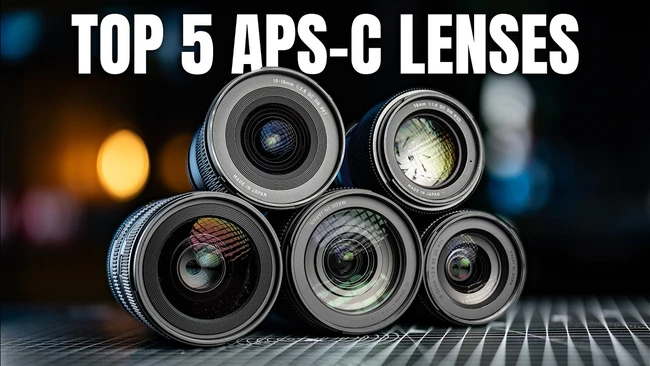
Choosing the right lens for a Sony APS-C camera is genuinely difficult right now, because the options have multiplied fast and the differences between them aren't always obvious. Curtis Padley has been shooting Sony APS-C for six years and has run through enough glass to have strong, experience-backed opinions about what actually works.
The Most Underappreciated Trend in Lens Design Right Now

For roughly two decades, the standard zoom lens started at 24mm. Before that, it started at 28mm or even 35mm. The 24-70mm f/2.8 became the default in the early 2000s and stayed there so long that the starting focal length became invisible. 24mm was simply where a standard zoom began, and nobody questioned it because there was nothing to question.
We Review Thypoch Latest Compact M Mount Lens: The Ksana 35mm F/2 Asph
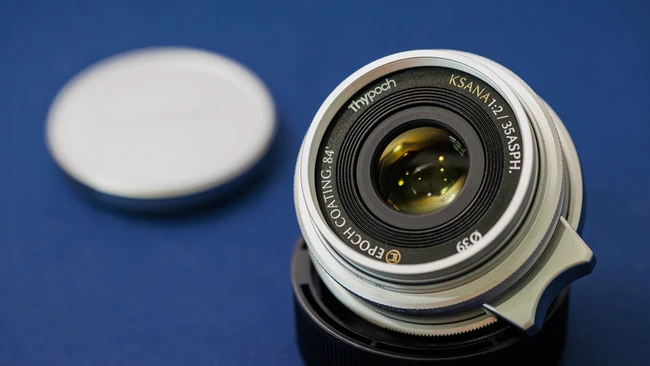
Following my recent speculation about M-mount lenses being the next big thing, the M-mount ecosystem has seen some truly exciting developments lately. Even in such a niche and crowded market, we are still getting frequent releases from companies like Thypoch. And after all the good releases, they still manage to surprise us every now and then to give us a reason to pick their lens.
Who Are the Unique Voices in Street Photography Today?

Street photography has become so codified that much of it now looks like photographers photographing other photographs. That sentence might sound unfair, perhaps even provocative. After all, we are living through a golden age of technical accessibility. Cameras have never been better, books are everywhere, and great work from every continent is just a swipe away. Knowledge that once took decades to acquire is now available in a 20-minute YouTube video. In the first years of the 2000s, we did not have anywhere near the access to information that we have today.