учреждение
Bracketing Explained: Exposure, Focus, and White Balance
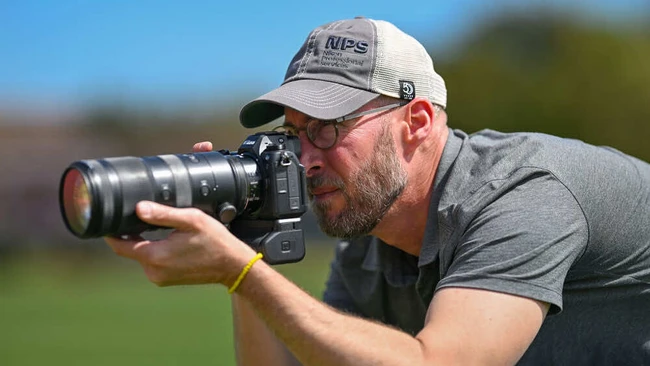
Most photographers meet bracketing exactly once, in a tutorial about high dynamic range landscapes, and walk away thinking it means "shoot three exposures and merge them." That is one kind of bracketing. There may be two more sitting in your camera's menu right now, and most people never touch them.
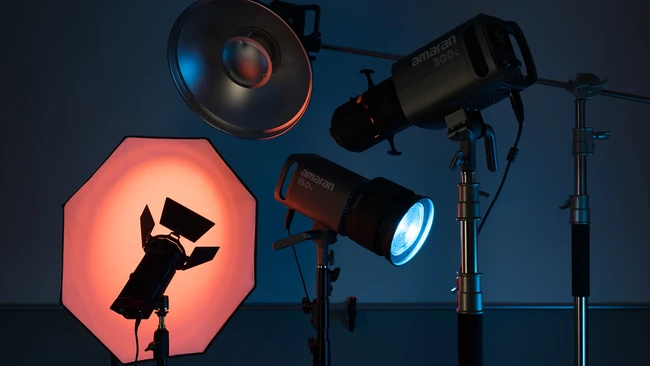
Is Your Home Studio Lighting Making Your Videos Look Cheap?
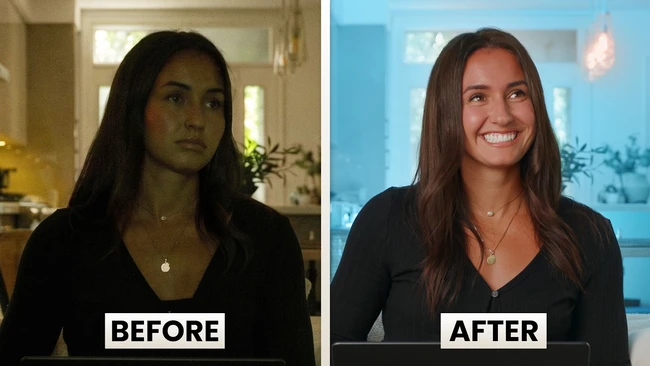
Lighting a home studio well is harder than most people expect, and the gap between flat, lifeless footage and something that actually looks intentional usually comes down to a few decisions. Getting those decisions right early saves you from buying gear you don't need and reworking your setup from scratch later.
This 135mm f/1.8 Is the Sharpest Lens 7Artisans Has Ever Made, But With a Catch
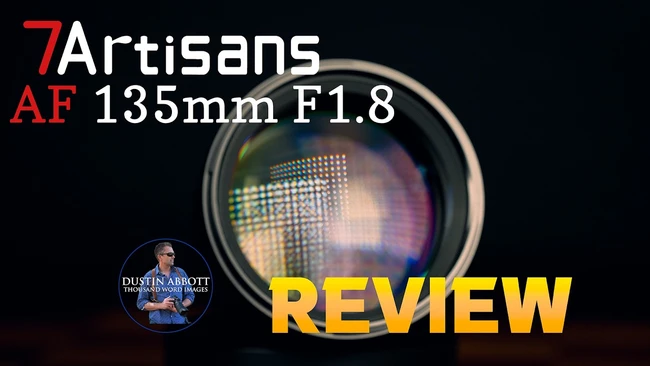
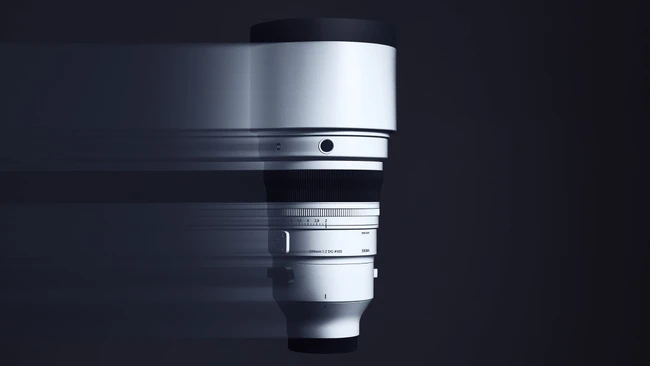
The 135mm autofocus lens market has gotten crowded fast, with options from Samyang, Viltrox, and Sigma all competing for your attention on Sony E-mount, Nikon Z-mount, and L-mount. The 7Artisans 135mm f/1.8 enters that field with the lowest MSRP of the group at $689, but price alone isn't enough to stand out when the competition has had years to mature.
What Photographers Rarely Learn From Painting
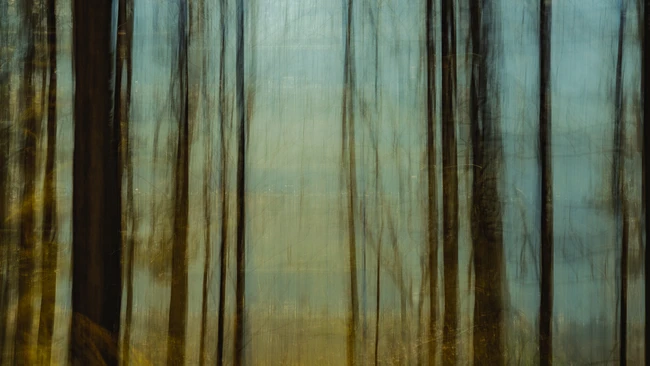
Photographers have been learning from painting for decades, but only from one half of it. Light, composition, proportion, tonal control — everything that strengthens representation has been absorbed and taught. And that is where the study usually stops. The moment painting stopped depending on the subject, photography largely stopped following it.
15 Beginner Photography Mistakes (and the One-Line Fix for Each)
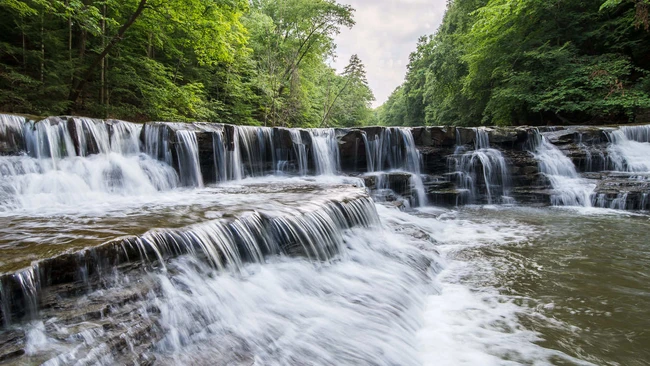
Every photographer makes these. The difference between someone who improves fast and someone who plateaus isn't talent; it's how quickly they stop repeating the same fifteen errors. None of these require new gear or more money to fix. Most take a single setting change or a shift in habit.
If you want the structured version of these fundamentals in one place, Photography 101 walks through the camera and editing basics from the ground up. Here they are, each with the fastest correction.
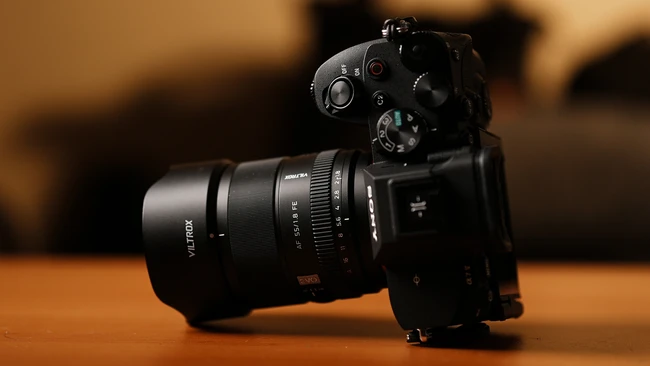
Viltrox’ New Nifty-Fifty(-Five) Is Done Being Just a Budget Option: We Review the Viltrox 55mm f/1.8 EVO APO Prime
Fstoppers Photographer of the Month (June 2026): Nina Lozej
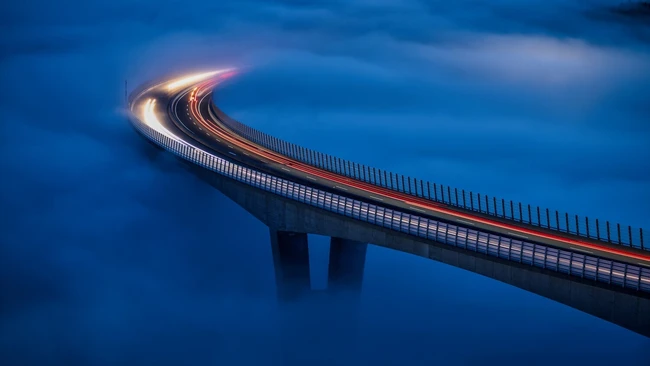
The Fstoppers community is brimming with creative vision and talent. Every day, we comb through your work, looking for images to feature as the Photo of the Day or simply to admire your creativity and technical prowess. In 2026, we're featuring a new photographer every month, whose portfolio represents both stellar photographic achievement and a high level of involvement within the Fstoppers community.
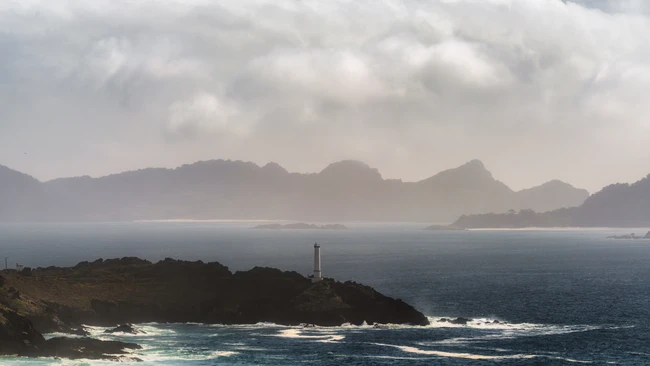
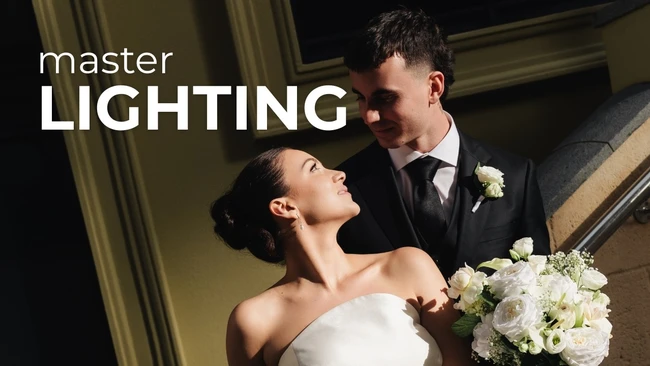
The Lighting Techniques That Separate Consistently Great Wedding Photos From Lucky Ones
Hasselblad Names Seven New Masters in Its 2026 Photography Competition
Seven photographers have been named Hasselblad Masters for 2026, chosen out of 70 finalists that the competition pulled from a pool exceeding 108,000 submissions sent in from 160 countries and regions. The seven categories this year were Landscape, Architecture, Portrait, Art, Street, Wildlife, and Project//21, with one winner in each.
Brightin Star 14mm f/2.8 Review: Shockingly Cheap, but Does It Deliver?
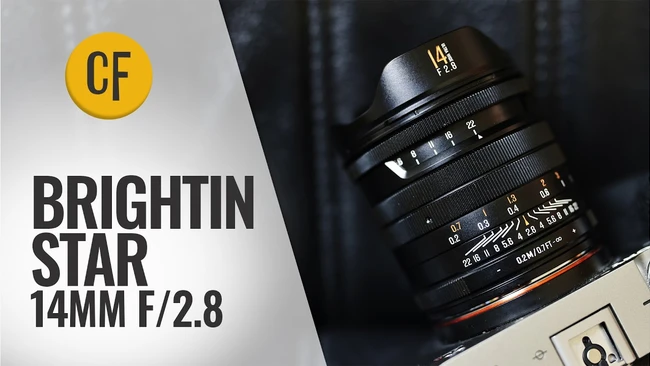
Ultrawide lenses used to cost a fortune. A full frame 14mm f/2.8 from Canon or Nikon ran around $1,500 just over a decade ago, which put serious glass out of reach for a lot of people. Budget manual focus alternatives have changed that equation, and the Brightin Star 14mm f/2.8 is one of the most affordable yet, coming in at around $279.
How to Choose Between APS-C and Full Frame as a Beginner
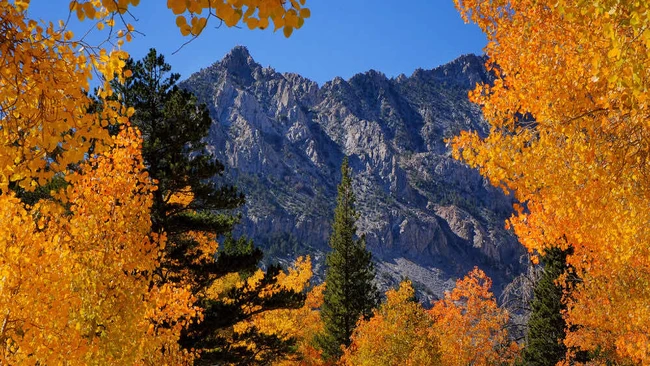
One of the first real decisions a new photographer faces is sensor size, and it arrives wrapped in more anxiety than it deserves. The internet will tell you that full frame is "professional" and APS-C is "entry level," as if the sensor inside the camera decides whether your photos are any good. It does not. What sensor size actually changes is your reach, your low-light headroom, the amount of background blur you can get, the size and weight of your kit, and how much you spend, both now and over the years you keep shooting.
The Kodak Charmera Is the Ultimate Camera for Kids
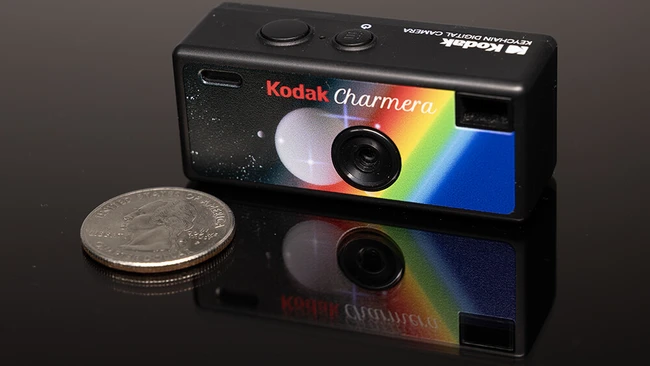
So after hearing about the Viral Cameras of 2026, there was one that stood out from a familiar, but somewhat tarnished, name in the camera business: the Kodak Charmera.
While I've opined in the past about what cameras are good for kids, this might be the one: the Goldilocks camera that's perfect for kids.
Saving Your Photos Wrecked by Smoke From Nearby Wildfires
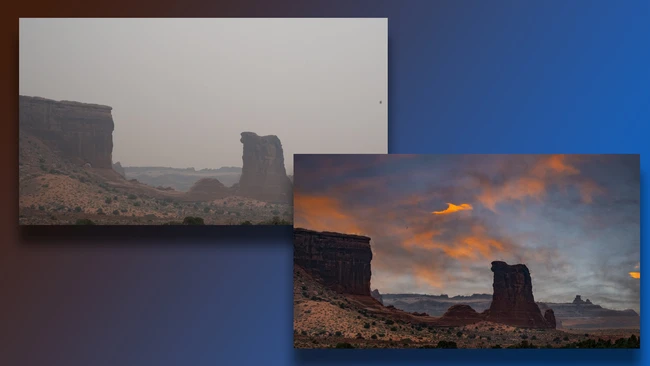
In one of my great examples of bad timing, a friend and I headed to southern Utah a few days ago. We were aware of spreading wildfires in the eastern part of the state, but where we were going, SE Utah, things were reported to be good.
My destination was Goblin Valley State Park, a bucket list destination I've always wanted to see. We stayed in nearby Hanksville, a charming Utah city with a population of around 200.
Before Cartier-Bresson, There Was André Kertész
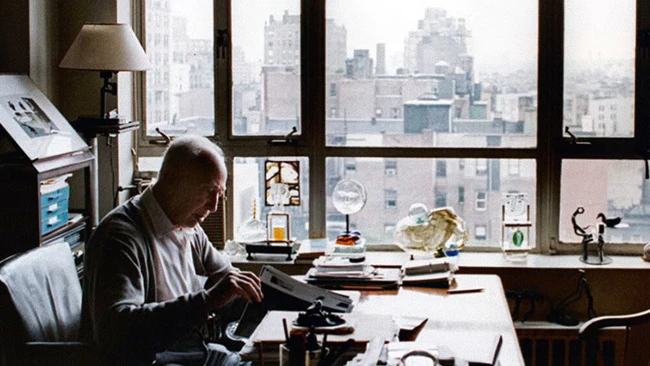
Long before many of the photographers we now refer to as masters of the art of photography, André Kertész was quietly changing what photography could be. Born in Hungary in 1894, Kertész wasn't chasing the spectacle or the drama. He found meaning in ordinary moments such as a shadow stretching across a wall, a lone figure crossing a courtyard, a fork resting on a plate, sunlight pouring through a window. He understood something that still resonates today: that a photograph doesn't need a grand subject to carry emotional impact.
Why Separation Makes or Breaks a Wide Angle Forest Shot
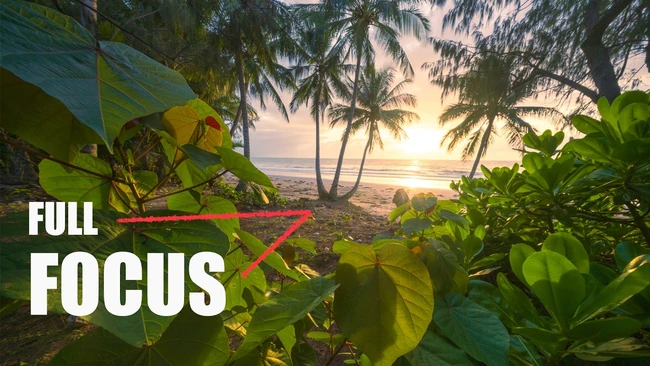
Photographing palm trees on a tropical coastline sounds straightforward until you're actually standing in front of a tangled cluster of trunks, messy sand, and scattered coconuts with no obvious composition in sight. Finding a shot that goes beyond a simple silhouette takes deliberate thinking about separation, foreground interest, and depth.
Fujifilm X System After 11 Years: What a Working Landscape Photographer Actually Thinks
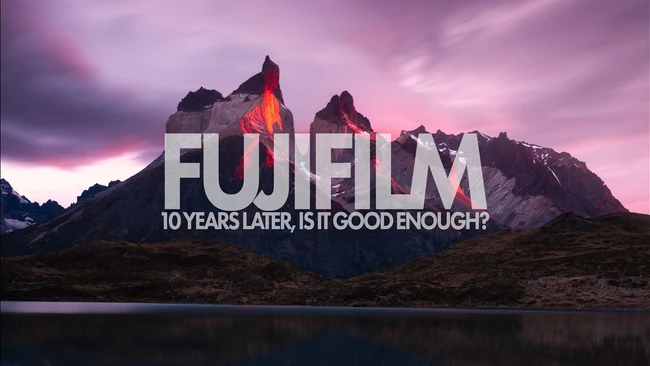
Fujifilm's X system has been a quiet workhorse for serious landscape work for over a decade, and the debate about whether crop sensor cameras can hold their own professionally never really goes away. Andy Mumford's answer, built on 11 years of real-world use across five continents, is worth paying attention to.
The Case Against Chasing Epic: Why Your Local Forest Might Be Your Best Subject
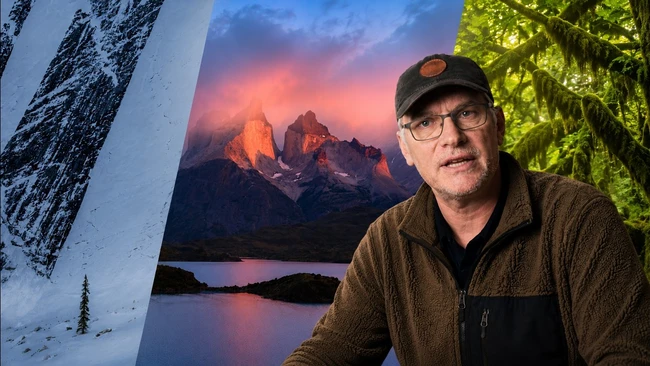
Chasing dramatic landscapes and remote destinations is easy to justify when the results look stunning on social media. But Adam Gibbs, who has photographed Antarctica, Patagonia, Iceland, and the Canadian Rockies, has spent years questioning whether spectacular scenery actually produces better photographs.
Carry-On Rules Are Getting Stricter for Photographers in 2026: Here's How to Adapt Your Kit

If you fly with a camera bag, 2026 is the year the gate finally caught up with you. The bag that "always made it on" for the last five years is now getting weighed, measured, and gate-checked with a consistency that did not exist before. For most travelers this is an annoyance. For photographers it is a real problem, because a camera kit is the densest, heaviest, and least checkable thing most people carry.
What 15 Years of Mentoring Photographers Taught Me About Photography Itself
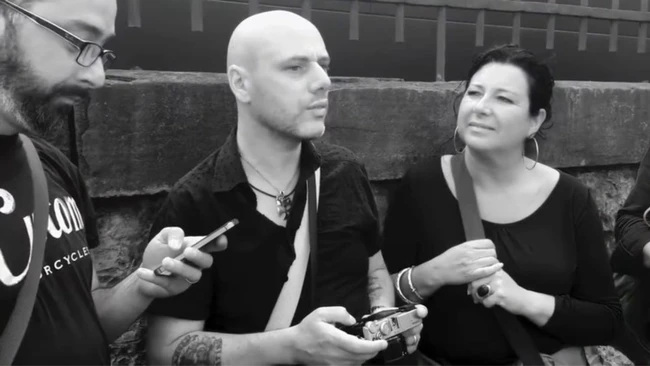
There's something people often misunderstand about photography workshops. They think workshops exist to improve technique.
And yes, technique matters. Of course it does. Understanding timing, framing, light, anticipation, and editing—all of these things are essential. But after more than fifteen years leading street photography workshops, I've realized that the technical aspect is actually the least interesting part of the experience. The real transformation happens elsewhere.
A $999 Anamorphic Lens vs. a $3,900 Cinema Lens: How Close Is the Gap?
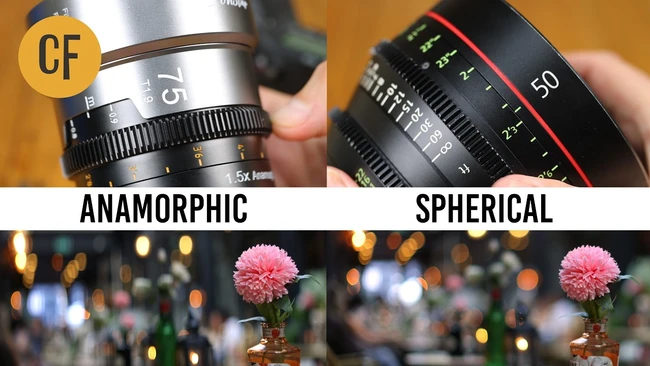
Anamorphic lenses produce a look that's immediately recognizable: stretched bokeh, horizontal lens flares, and a cinematic quality that's defined Hollywood films for decades. The question most people face is whether that distinctive look is worth the tradeoffs compared to a conventional spherical lens.